The Ultimate Guide to Buying Power Tools
When it comes to home improvement, having the right tools can make all the difference. Whether you are a seasoned DIY enthusiast or just starting to build your toolkit, understanding the range of power tools available and their applications is essential. This guide aims to provide a comprehensive overview of the power tools that are most useful for homeowners, focusing on how to select tools that align with your needs, budget, and experience.
The market offers a vast array of options, from basic drills to advanced circular saws, each designed for specific tasks. Navigational decisions can be overwhelming, but with a structured approach, you can make informed choices that enhance your capability to tackle projects around the house. This article explores key categories of power tools, factors to consider when purchasing, and practical advice for maintenance and safety.
Understanding Your Tool Needs
Before investing in any power tool, it is important to assess the type of projects you plan to undertake. For a typical homeowner, tasks often include hanging shelves, assembling furniture, drilling holes, cutting wood, and light demolition. Each task may require a different tool, so prioritising based on frequency and complexity is sensible. For instance, if you frequently hang pictures or install fixtures, a reliable drill is indispensable. On the other hand, if you engage in woodworking or renovation projects, a circular saw might be a valuable addition.
Consider also the space you have for storing tools and your comfort with handling them. Larger tools like miter saws or table saws require dedicated space and a higher level of expertise, whereas handheld tools are more versatile and straightforward. A beginner may start with a multi-tool kit that includes a drill, driver, and perhaps a jigsaw, while more advanced users might prefer individual high-performance tools. Reflecting on your skill level ensures that you select tools that are manageable and safe to operate.
Key Power Tools for Homeowners
Several power tools are commonly recommended for home use due to their versatility and practicality. Below is a list of essential tools that cover a broad range of DIY tasks. Each tool serves a unique purpose, and understanding their functions helps you build a cohesive collection.
-
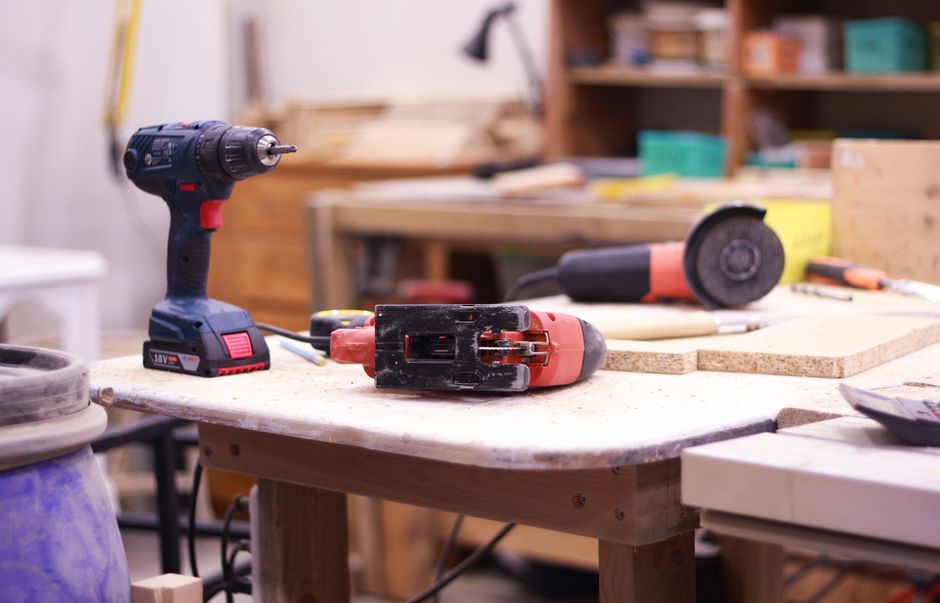
Drill/Driver: This is arguably the most used power tool. It drills holes and drives screws, making it essential for assembling furniture, hanging shelves, and many other tasks. Cordless models offer convenience and portability, while corded versions provide consistent power for heavy-duty use.
-
Circular Saw: Ideal for making straight cuts in wood, plywood, and even metal with the appropriate blade. It is a powerful tool for cutting lumber for framing, building decks, or crafting custom shelves. Safety features such as blade guards and electric brakes are important considerations.
-
Jigsaw: This tool excels at making curved cuts and intricate patterns. It is perfect for cutting holes in drywall, trimming laminate, or creating decorative pieces. The adjustable speed and orbital settings offer control for various materials.
-
Orbital Sander: For smoothing surfaces and removing paint or varnish, an orbital sander saves time and effort compared to manual sanding. It is invaluable for refinishing furniture or preparing wood for painting.
-
Impact Driver: Similar to a drill, but with higher torque for driving long screws and bolts. It is especially useful for heavy-duty fastening tasks, such as building decks or attaching hardware. The quick-change chuck and compact design make it a favourite among professionals.
While this list covers the most common tools, other options like angle grinders, rotary tools, and nail guns can be added based on specific interests. Each tool has its learning curve, so it is advisable to start with a few and expand as your projects become more ambitious.
Factors to Consider When Buying
Selecting the right power tool involves more than just picking a familiar brand. It requires careful evaluation of performance, ergonomics, and value. One of the primary decisions is between corded and cordless tools. Corded tools typically offer unlimited runtime and more consistent power, making them suitable for prolonged, heavy-duty tasks. However, they restrict movement and require access to an outlet. Cordless tools, on the other hand, provide freedom and convenience, with lithium-ion batteries offering decent runtime and quick charging. The trade-off is generally power output, but modern battery technology has narrowed the gap.
Another critical factor is the tool’s build quality and durability. Reading reviews and handling the tool in a store can give you a sense of its construction. A well-built tool with a comfortable grip and intuitive controls is more pleasant to use and likely to last longer. Additionally, consider the availability of replacement parts and the manufacturer’s warranty. Reputable brands often offer better customer support and longer warranties, which can be a deciding factor for many buyers.
Budget is, of course, a significant consideration. Prices for power tools can range from very affordable to professional-grade levels. It is important to align your purchase with the frequency of use and the complexity of tasks. For occasional DIY, a mid-range tool often provides the best balance of cost and performance. High-end tools are justified for those who use them daily or for demanding professional work. It is also worth looking out for package deals that include batteries and accessories, as they can offer better value in the long run.
Quality vs. Budget: Making the Right Choice
The debate between quality and budget is common when purchasing tools. While it might be tempting to opt for the cheapest option, the adage “buy cheap, buy twice” holds true in many cases. A low-cost tool may lack power, have poor ergonomics, or fail quickly, leading to frustration and additional expenses. Conversely, high-end tools often incorporate advanced features such as brushless motors, variable speed controls, and dust extraction systems, which enhance performance and longevity.
For those with a limited budget, prioritising tools that are used most frequently is a wise strategy. For example, if you drill and drive screws often, investing in a quality drill is more important than splurging on a saw you might use occasionally. Additionally, consider buying from a reputable brand that offers reliable customer service and a warranty. Even if the initial cost is higher, the long-term reliability can save money by reducing the need for replacements.
It is also beneficial to think about the ecosystem of tools and batteries. Many brands have a range of tools that share the same battery platform, allowing you to buy bare tools and use existing batteries. This can significantly reduce the overall cost in the long run. For instance, if you start with a drill and later purchase a circular saw, you can often buy the saw without a battery, saving money.
Safety and Maintenance Tips
Power tools are powerful machines that can cause serious injury if not used properly. Safety should always be a top priority. When using any power tool, it is essential to wear appropriate personal protective equipment, such as safety goggles, hearing protection, and, when necessary, a dust mask. Ensure that your work area is well-lit and free of clutter to prevent accidents. Additionally, always read the manual and follow the manufacturer’s instructions.
Maintenance is equally important to keep your tools in good working condition. After each use, clean the tool of dust and debris, and check for any signs of wear or damage. Keep blades sharp and replace them when they become dull, as a dull blade is more dangerous than a sharp one. For cordless tools, follow proper charging practices and store batteries in a cool, dry place. Storing tools in a dry environment prevents rust and corrosion.
Regular inspection and proper storage not only extend the life of your tools but also ensure that they perform optimally when you need them.
By integrating these practices into your routine, you can enjoy many years of reliable service from your power tools.
Conclusion
Building a collection of power tools is a journey that evolves with your skills and interests. By understanding the essential tools, considering key purchasing factors, and balancing quality with budget, you can make informed decisions that stand the test of time. Remember that the right tool is one that suits your specific needs and is used safely and maintained properly. With this guide, you are well-equipped to explore the world of power tools and tackle your next home improvement project with confidence.